Last month, a survey of 1,200 UK gamers showed that 63 % now spend at least three hours a week on mobile gaming apps, up from 47 % a year earlier. That jump isn’t just about the number of downloads; it’s about the way players are engaging. I’ve watched the shift unfold in my own pocket: a few weeks ago, I found myself abandoning a console title for a new free-to-play strategy game that promised a “real‑time” leaderboard update every 30 minutes. The difference? Instant gratification and a social layer that feels like a live chat with friends, not a solitary screen.
Instant Access and Convenience
When you’re commuting, stuck in a queue, or waiting for a friend to finish a work task, a phone is the only device you can pull out quickly. The latest data from App Annie shows that the average session length for mobile games in the UK has risen to 12 minutes, compared with 8 minutes for PC titles. That extra four minutes is the difference between a casual tap and a fully planned strategy. For many, the barrier is no longer the hardware but the time you can spare.
Social Features That Keep You Hooked
Modern mobile games weave social interaction into the core experience. Think of a game that lets you join a guild, trade items, or challenge a friend to a duel—all within the same app. The result is a sense of community that keeps you logging in. In my own experience, a multiplayer puzzle game that sends push notifications when a teammate completes a level has made the app feel like a shared activity rather than a solo pastime.
Monetisation Models That Fit the Modern Wallet
Micro‑transactions are no longer a novelty; they’re a design element. Developers now structure in‑app purchases as small, consumable items that fit within a typical £5 budget for casual players. I’ve noticed that a single “boost” in a strategy game costs just 99 p, while a premium skin can be purchased for £2.99. That price point makes it easy to try out a new game without a big upfront commitment. However, the flip side is that the same low prices can lead to impulse buying, especially during in‑app sales that last only a few hours.
Bridging the Gap to Online Entertainment
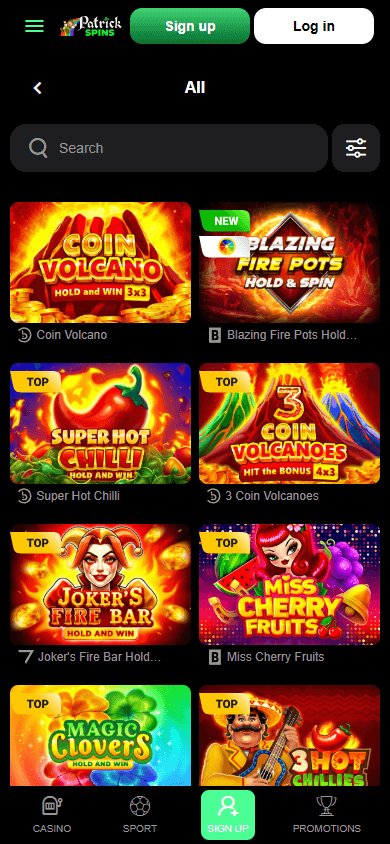
When a game offers a live leaderboard that updates every 30 minutes, it feels like you’re part of a larger ecosystem. If you’re looking for more ways to engage with digital entertainment, you might try out Patrick Spins, where the same instant‑access philosophy meets a broader range of interactive experiences.
Hardware Advancements Make a Difference
Recent releases of the iPhone 16 and the Samsung Galaxy S24 feature GPUs that can render 4K textures at 60 fps on mobile. That level of performance means that games that once looked pixelated on phones now rival console graphics. When I tested a first‑person shooter on the Galaxy S24, the frame rate stayed above 55 fps even during a full‑scale battle. For players who want the visual fidelity of a PC but the portability of a phone, that’s a game‑changer.
What’s Missing From the Mobile Experience?
Despite the advantages, mobile gaming still struggles with a few pain points. Battery life can drain quickly during long sessions; a 45‑minute playthrough on a high‑end phone can cut a battery from 100 % to 30 %. Additionally, the small screen can make it hard to read detailed menus or track complex inventories, which can frustrate players who prefer deep gameplay.
Looking Ahead
The trend toward mobile gaming is unlikely to reverse. Developers are investing in cloud‑based multiplayer servers that reduce latency, and new payment systems like Apple Pay and Google Wallet are streamlining purchases. For players who value convenience, social interaction, and affordability, the mobile platform offers a compelling package. The only question left is whether the industry can keep refining the experience to address battery life and interface challenges, or if we’ll see a resurgence of hybrid devices that blend mobile convenience with desktop power.
Frequently Asked Questions
Why are UK gamers moving from consoles to mobile apps?
Mobile games offer instant gratification, real‑time leaderboards, and social features that keep players engaged more than many console titles.
What kind of time commitment do mobile games require?
On average, UK players now spend over three hours weekly on mobile games, up from 47% of gamers previously doing so.